When it comes to keeping gluten free food safe, preventing cross contamination from gluten throughout the whole storage, preparation, cooking and serving process is key.
To help spread a flawless message on the importance of preventing cross contamination of gluten for those who need to live gluten free, the advice needs to be simple and clear, so it can be easily applied to every food prep situation. So, whether we’re putting food together in our own kitchen, having it prepared for us by family and friends or being served gluten free food from a restaurant kitchen etc, a consistent approach/message to prevent food being spoiled by pesky gluten for us gluten free lot is the way to go!
At catering college, it was drummed into us about the importance of protecting food against cross contamination. And although at the time (40 years ago!!), the focus was on the correct storage, cleaning down and washing our hands after handling raw meat to prevent anybody becoming ill from food poisoning, these same principles can be easily transferred to how we think when we have handled gluten and then go on to prepare something that is completely gluten free. Once this mindset is in place, it feels wrong when gluten free food is not handled as it should be.
Unfortunately, simple mistakes like placing a slice of gluten free bread onto a worktop that’s not been cleaned down thoroughly after prepping gluten containing foods, or dropping a basket of freshly cut chips into a fryer full of oil, that’s been previously used to cook foods that contains gluten (heat does not destroy gluten), or not washing hands after handling gluten and then preparing gluten free foods, are examples of ways that gluten can be transferred onto gluten free food, making it unsafe for people with coeliac disease to eat.
I’m constantly learning about a gluten free diet and the massive role it plays in protecting the body when you living with coeliac disease. I have to be totally honest and tell you, when I was newly diagnosed despite me ‘thinking’ I was on it with regards cross contamination, I was still doing things that I shouldn’t have been. For instance, it took a friend telling me off for sharing my butter at home with Neil – silly of me to think it was OK if I just avoided the crumbs!!!!! Honestly, you don’t half live and learn.
Since my butter blunder, I’m proud to say I now ALWAYS have my own dedicated butter pot, which I keep in a separate part of the fridge. Ideally, it’s better to label the pot you use, as this is a foolproof way of preventing any mix ups. But as there is just me and Neil at home our current butter set up works.
When eating out at family and friends I will only have butter from a freshly opened pack/block.
So yes, if you have coeliac disease or following a gluten free diet or you are cooking for somebody else that is, it REALLY does matter that you are taking all the necessary precautions to avoid cross contamination from gluten. As unfortunately, even when people with coeliac disease don’t display any obvious symptoms, they will still be causing damage to their gut if gluten is eaten.
So once you’ve done all the leg work and checked all ingredients to make sure things are gluten free and there are no ‘may contain’ or ‘not suitable for coeliacs or a gluten free diet’ warning on products, the key to ensuring foods remain gluten free is to prevent it coming into contact with gluten as you prepare it.

Here’s some basic things to remember and pop into practice when prepping food in a shared kitchen for yourself or anybody else who requires a gluten free diet:
- Clean work surfaces down thoroughly before starting to prepare gluten free food on them. If at home, a clean dish cloth (which is changed frequently) and hot soapy water is fine. If you are a catering establishment, use clean kitchen roll to do this, as your cloths may have seen a lot of action with other foods throughout service!
- Use a fresh, clean tea towel when drying utensils and kitchenware.
- Wash hands before starting to prepare gluten free food and ensure you are mindful not to handle anything with gluten until you have finished what gluten free offerings you are putting together.
- Use a separate toaster or nice clean grill pan to toast gluten free bread. Covering a grill pan with fresh foil and laying bread on there to toast will work well too.
- Use a dedicated gf chopping board (don’t forget a separate one for cutting up gluten free pizza too!) and rolling pin. Once used, wash these items separately by hand in hot soapy water, drying them off with a clean tea towel. If you don’t have a separate chopping board, you can simply prep something like a gluten free sandwich on a clean plate.
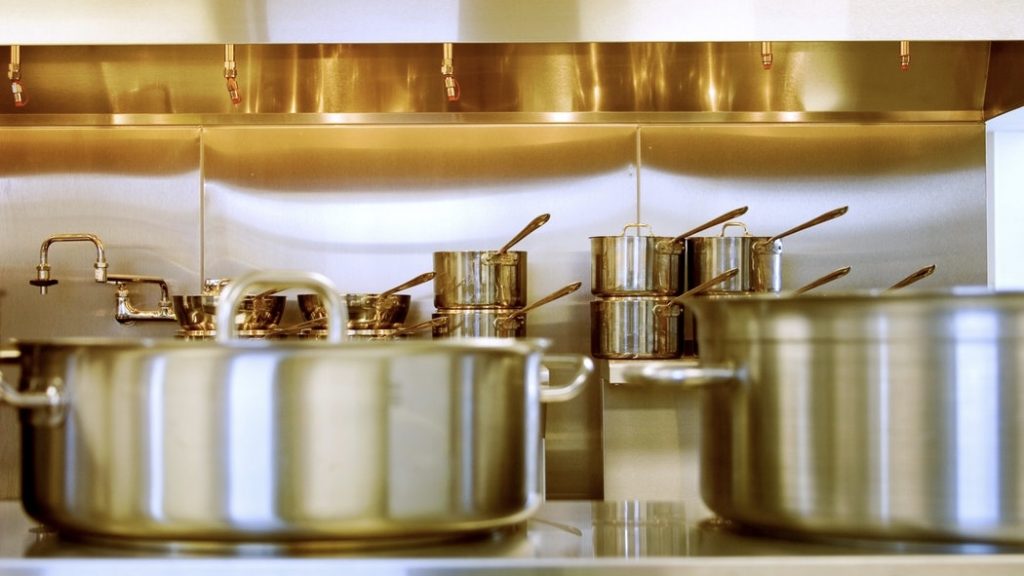
- Use Separate pans and utensils (stainless steel is perfect as non-porous) when cooking gluten free foods and ensure they are washed thoroughly in-between use.
- Use a separate butter/margarine tub. Popping a gluten free sticker on there will save any mix ups. Catering establishments, unless you are serving lots of gluten free meals, you may just want to use single butter portions as and when you need them. Also, as they are all individually wrapped, they are safer this way too. This will save wasting large tubs that may not get used up before the best before date. If offering butter at a table for people to butter their own bread, make sure there is a separate butter and knife to be used with the gluten free bread.
- Get into the habit of using a clean teaspoon for taking out marmalade, jam, spreads, mayonnaise, and other condiments etc. Practising ‘no double dipping’ will mean that pesky glutenous crumbs can’t get transferred into these products.
- When serving ice-cream, make sure that the gluten free ice-cream has not been dipped into with a scoop that has previously scooped out gluten containing ice-cream. If in doubt crack open a fresh tub.
- Use the top shelves in cupboard’s for storing dedicated gluten free foods as this will safeguard against gluten containing foods falling onto/into them. It’s really thinking about things like flour that may leak from packs etc. If I ever have standard flour in the house, I pop the bag inside a freezer bag just in case the outer bag is a little floury.
- Bake uncovered gf food on the top shelf of the oven, and don’t place the food directly onto oven racks. Instead, pop it onto an oven tray or a bit of foil first, as glutenous foods may have previously been spilt on the racks.
- When barbecuing gf food make sure it’s the first thing you cook on the clean rack – better still do the whole lot gluten free, makes life easier and so many meats will be naturally gluten free anyway. Just have to watch out for marinades etc.
- Cover gf foods that you heat in a shared microwave, as food splatters from the top may fall back into the food.
- Don’t fry gluten free food in oil that has been used to fry foods that contain gluten. Food fried in the same oil as gluten containing foods should not be advertised as gluten free.
- Store and serve gluten free foods on separate plates. Using separate utensils to serve with too.
- keep your cutlery and crockery nice and clean and free of any food residue at all times.
I’ve really tried to think of what I practice at home and what I’d advise others to do to prevent cross contamination from gluten. Please do get in touch if you feel that I’ve missed something that would help further.
Thanks as always for reading. If you are heading out to eat soon you may also fancy having a quick read of my gluten free guide to eating out.
For now,
Liz x
